Bush Hogging
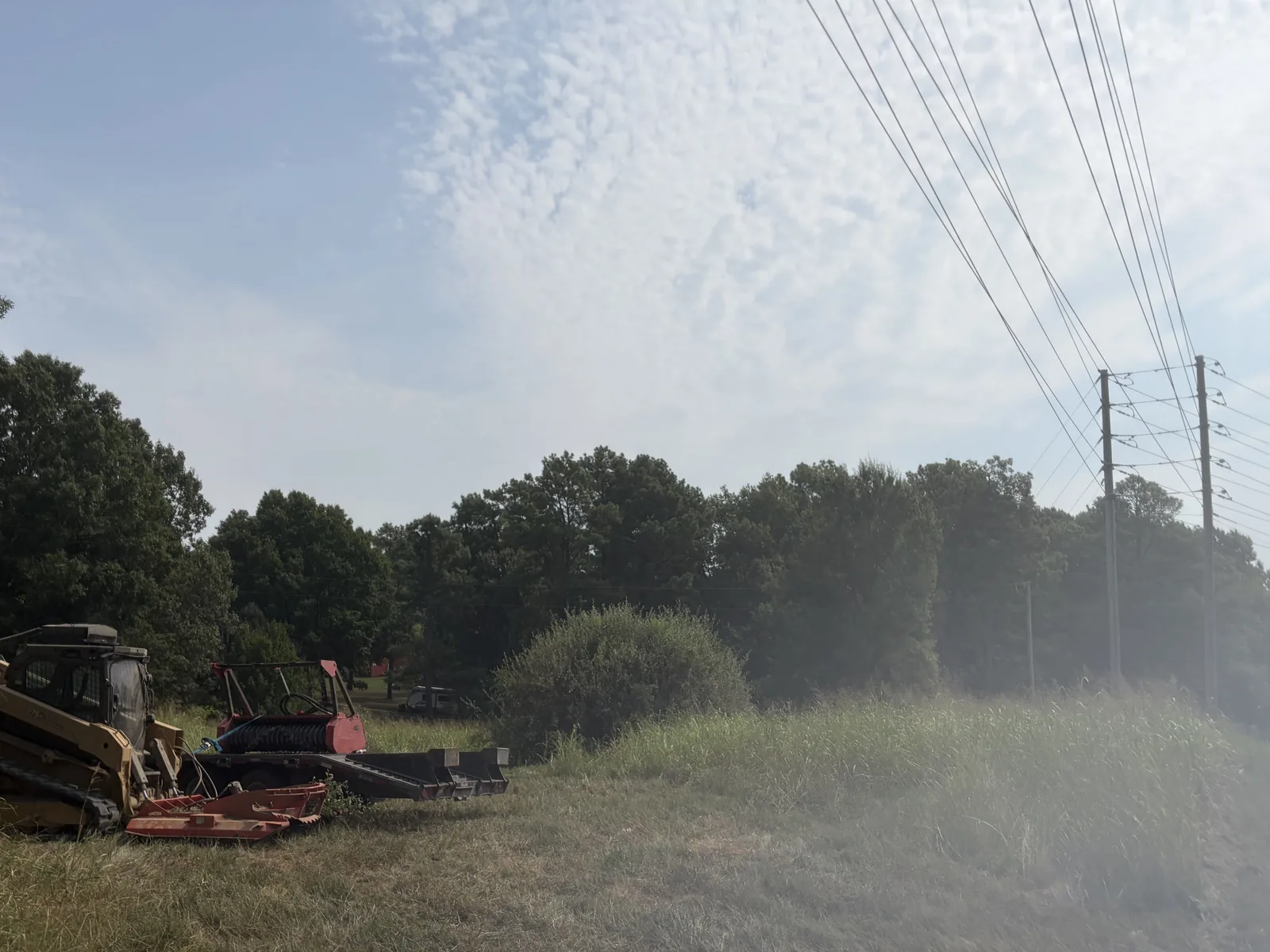
Bush hogging for overgrown fields, pastures, vacant lots, ditch banks and road frontage. The brush cutter runs on our skid steer, and we mow once or come back through on a schedule.
Learn More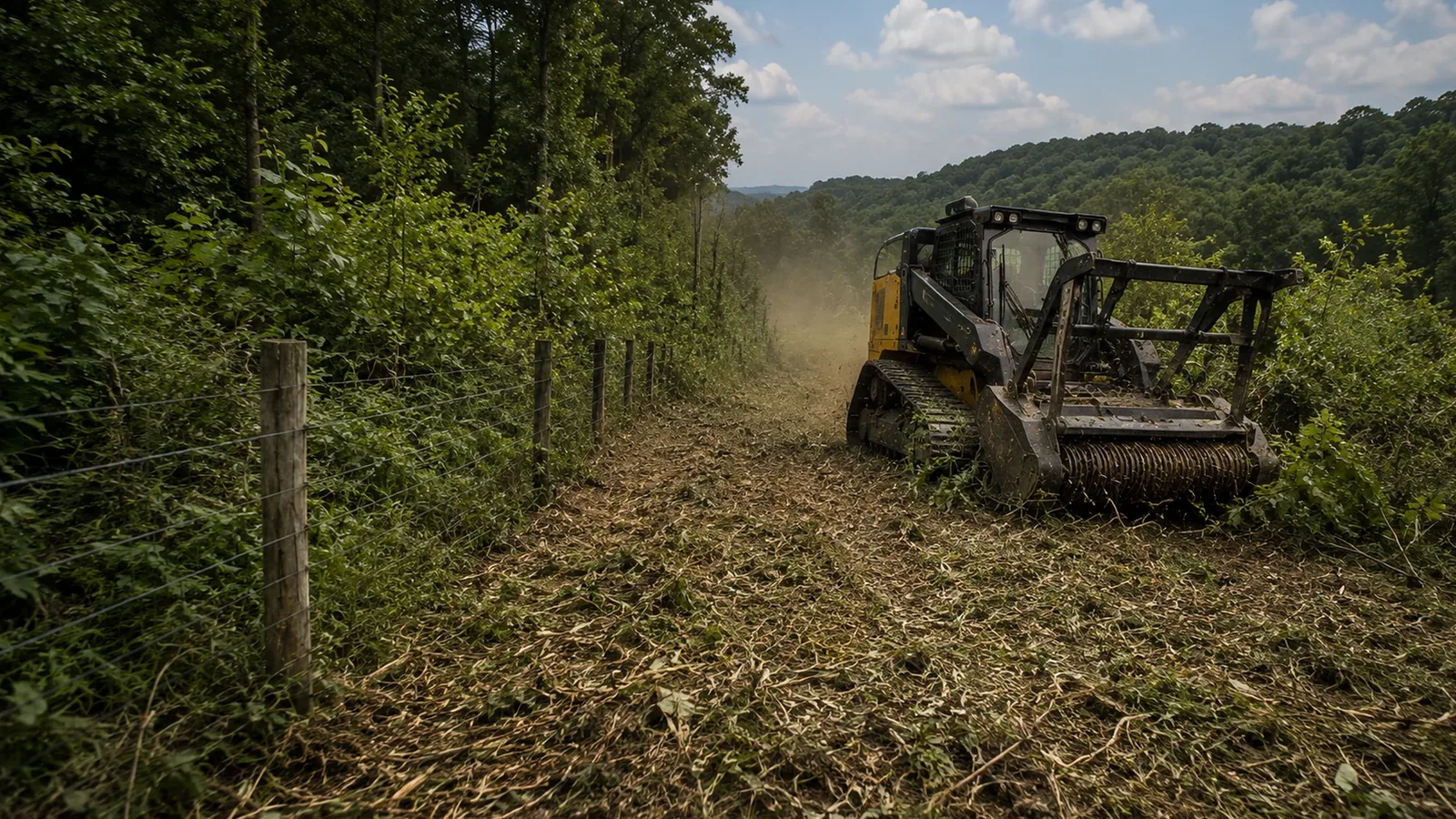
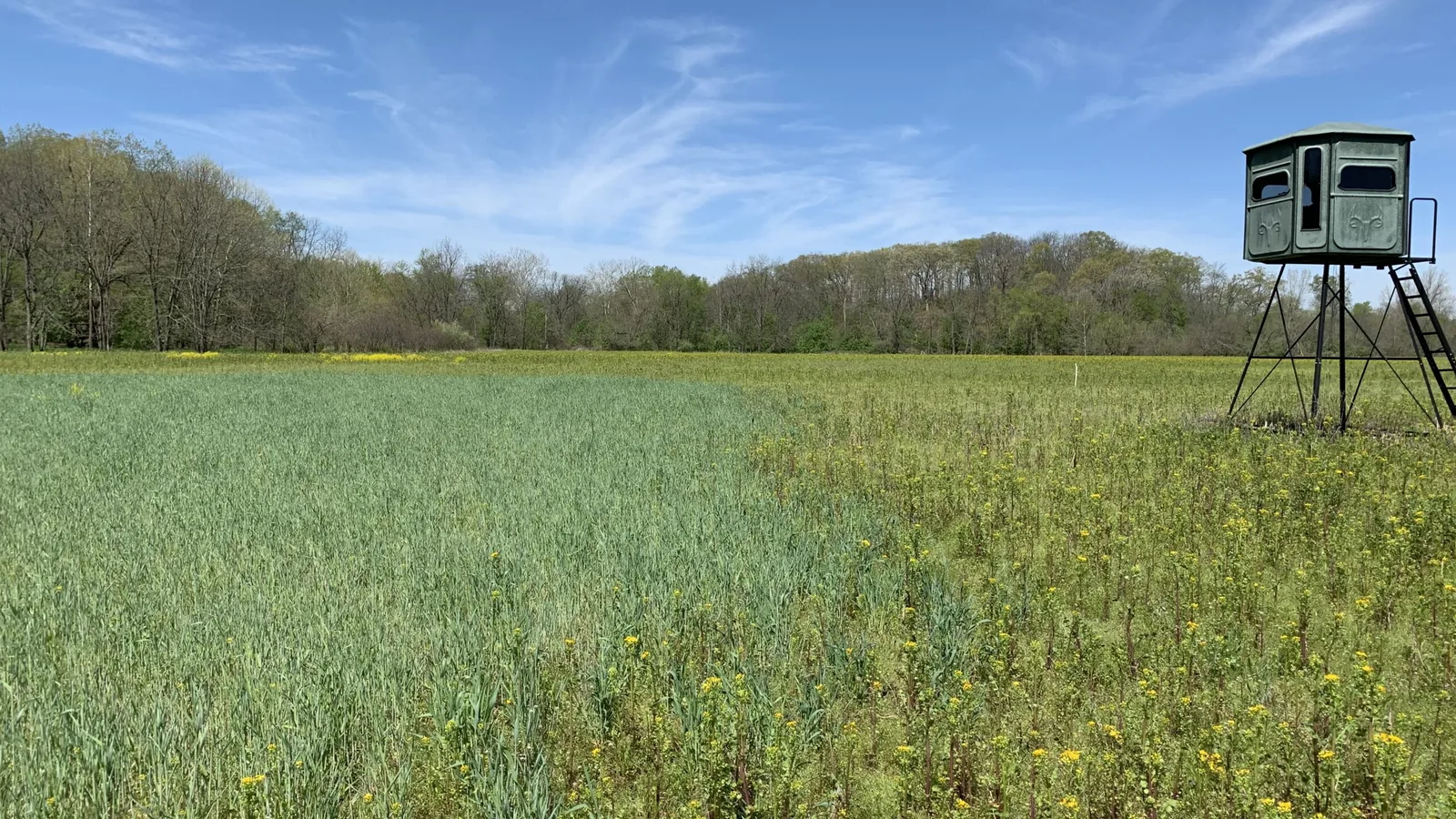
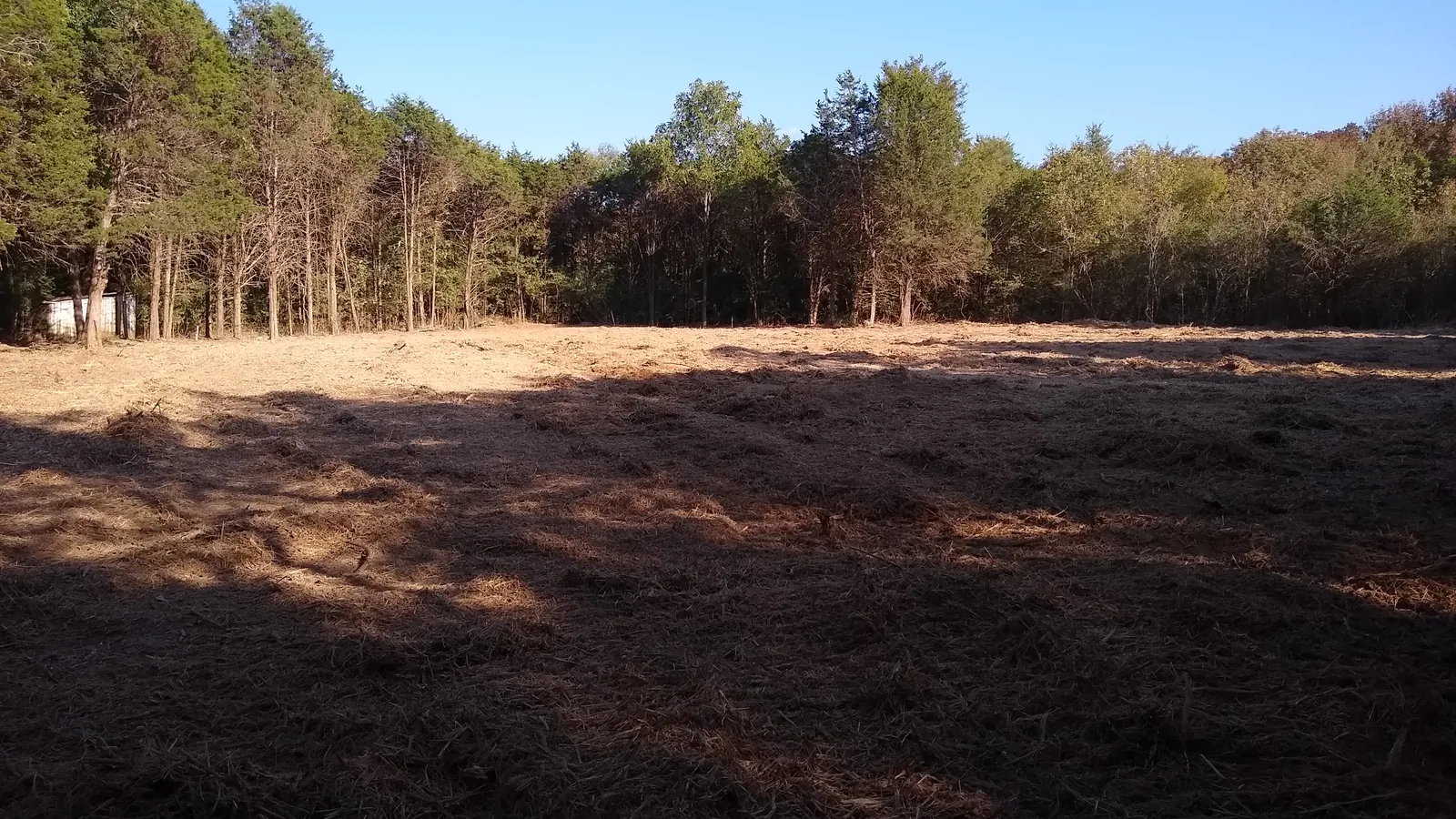
Pasture clearing gets a field back to grass after brush has taken it. A pasture that sits a few seasons grows cedar, sweetgum saplings, blackberry and briars. Fence rows fill in first, then the brush creeps toward the middle of the field. We clear pasture and fence lines on farms, hunting land and rural acreage around Jonesboro.
The work runs off a skid steer with a drum mulcher head, a brush cutter and a grapple. Forestry mulching grinds brush and small trees into mulch right where they stand. What has to leave the field goes out on the dump trailer. We are based in Monette and work about 50 miles around Jonesboro.
Tell us about the job. We will get right back to you.
Most pasture around here goes the same way. A wet season or two with no mowing, and cedar and saplings get a start. The University of Arkansas Extension calls eastern red cedar a pioneer species that moves into disturbed or overgrazed pasture. Once it is over head high, a mower will not touch it.
The drum mulcher takes that brush down and grinds it into mulch. Small cedar and saplings go first, then the thicker stuff along the edges. The mulch stays on the ground and breaks down over the next few seasons. Once the field is open, bush hogging keeps it that way.
Clearing brush does not always bring the grass back on its own. Arkansas Extension is plain about that. There has to be grass already in the field to take the ground over. What the pasture needs after clearing is a question for your county Extension office.
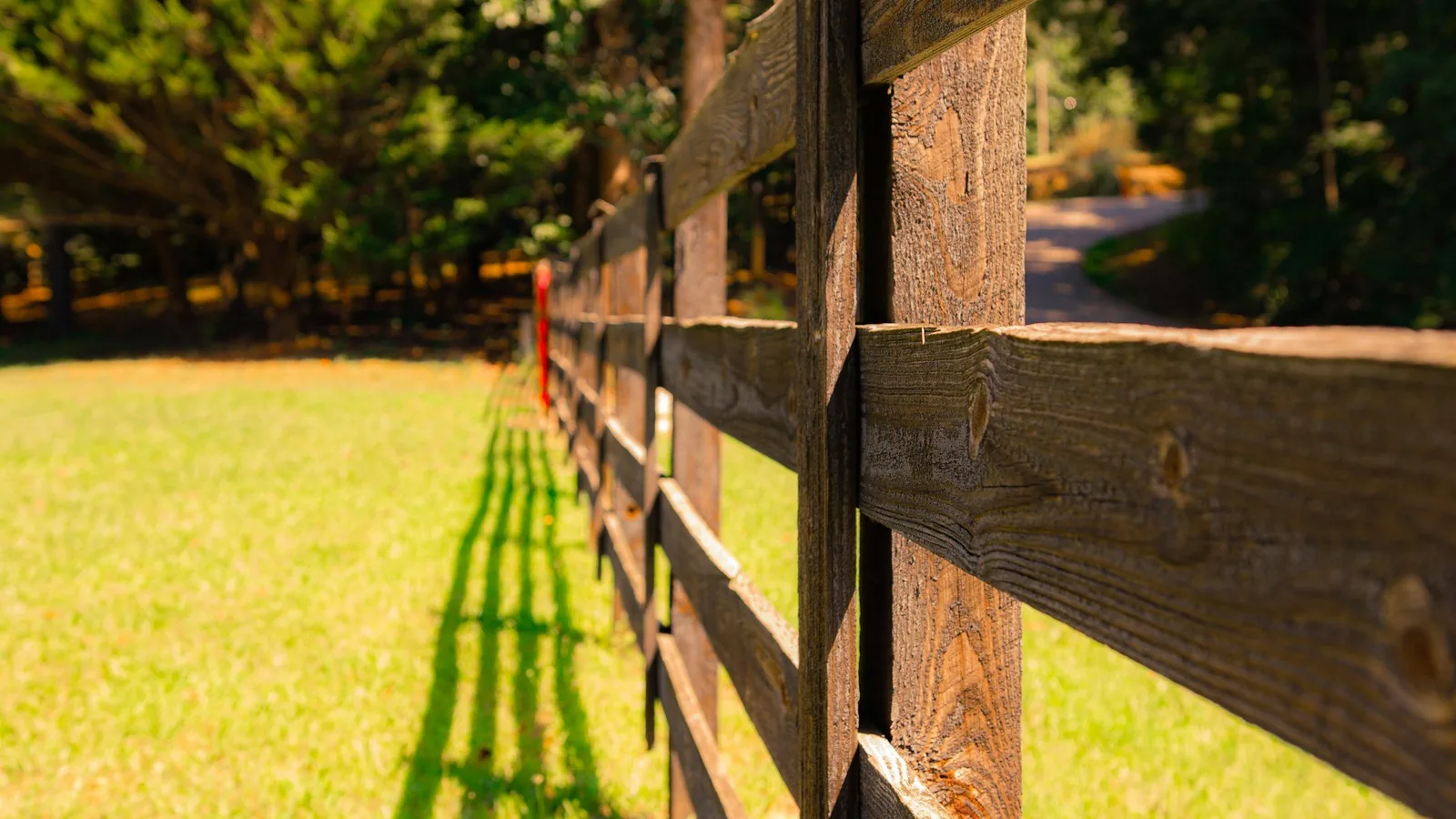
A fence row grows up from both sides. Birds perch on the wire and drop cedar seed right down the line. Arkansas Extension describes it the same way, a long row of cedars down an untended fence line. Osage orange, persimmon and blackberry fill in the gaps.
We clear a working width along the line so an old fence can come out. That gives the fence builder room to set new posts. The mulcher grinds the brush and saplings down. The grapple picks up old posts, limbs and anything that has to leave.
Ditch banks and field edges get the same treatment. Brush along a turn row or a ditch bank crowds the crop and hides the edge of the field. We cut it back to the line you want and mulch it down.
Hunting land around here runs from Delta bottom ground to Ridge timber. Both thicken up fast. Greenbrier, blackberry, honeysuckle and sapling thickets make the understory hard to get through on foot. Where the woods have closed in, the job turns into clearing wooded acreage.
We cut shooting lanes and trails with the mulcher on the skid steer. A lane gets mulched to the width you mark. Trails get opened wide enough for a side by side. The mulch layer covers the bare dirt on a slope.
Field edges and old fence rows on hunting land work the same way. We open them up and leave the mulch on the ground. Food plot planting, seeding and spraying belong to another contractor. Our part is the clearing.
Free estimates and site visits across Northeast Arkansas, about 50 miles around Jonesboro.
(870) 351-5107From the first call to cleared ground, here is how it goes.
Call (870) 351-5107 and tell us where the property is and what you want opened up. If we miss the call, we will get back to you.
We set a time to come out and look at the brush, the trees and the way in. Photos help, but seeing the ground is how the work gets priced right.
You get the work and the price in writing, so you can see what is included. Estimates are free, and nothing starts until you approve it.
The drum mulcher grinds brush, saplings and small trees. The brush cutter takes tall grass, weeds and briars. The grapple and the dump trailer move out what has to leave.
We leave the ground mulched, or rough graded if that is what the job called for, with the debris gone. Then we go over the finished property with you before we pull out.
Common questions about pasture and fence lines across Northeast Arkansas, about 50 miles around Jonesboro. If yours is not here, call and ask.
Bush hogging for overgrown fields, pastures, vacant lots, ditch banks and road frontage. The brush cutter runs on our skid steer, and we mow once or come back through on a schedule.
Learn More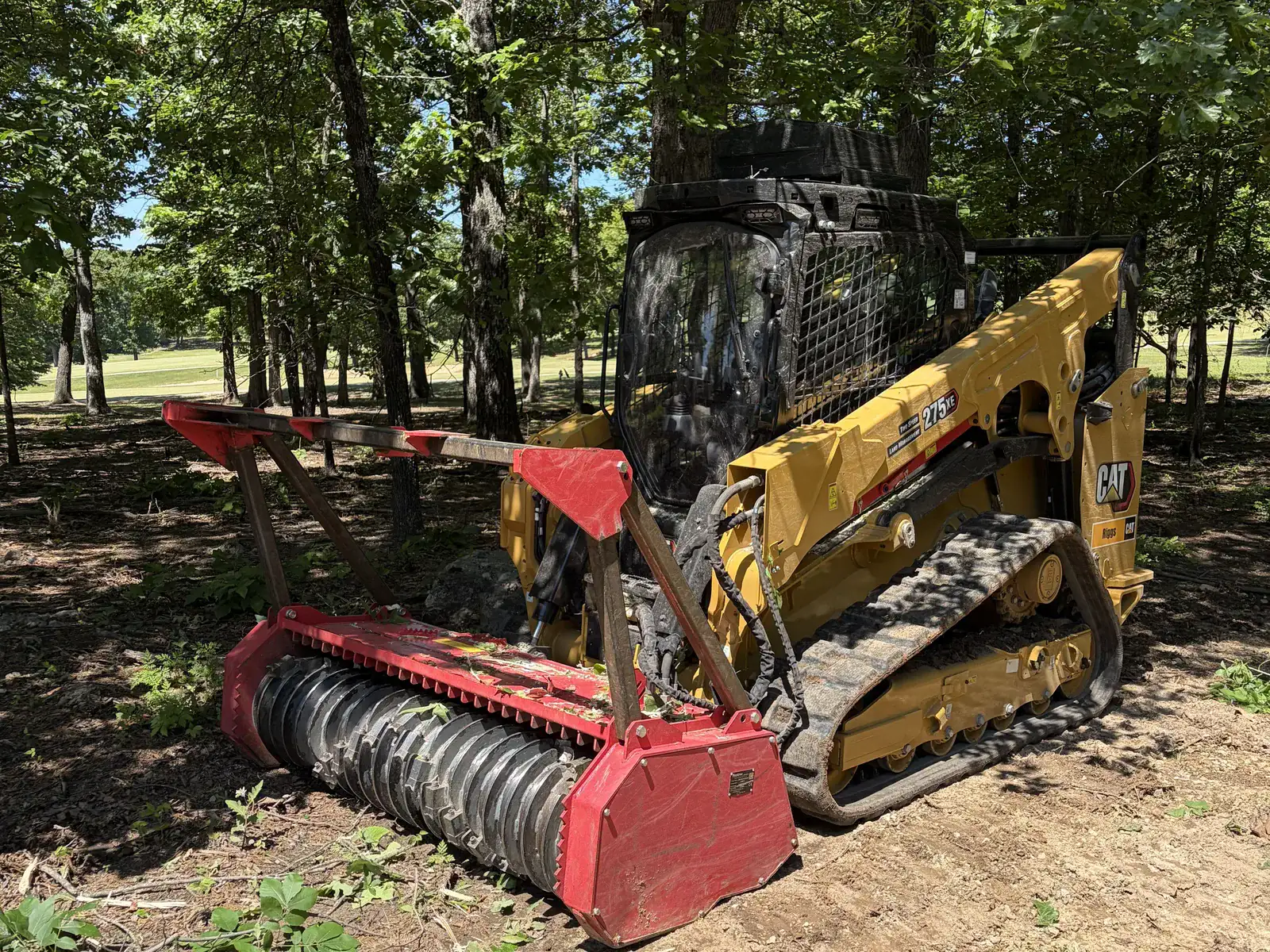
The drum mulcher on our skid steer grinds brush, saplings and small trees into mulch right where they stand. You are left with open ground under a layer of mulch.
Learn More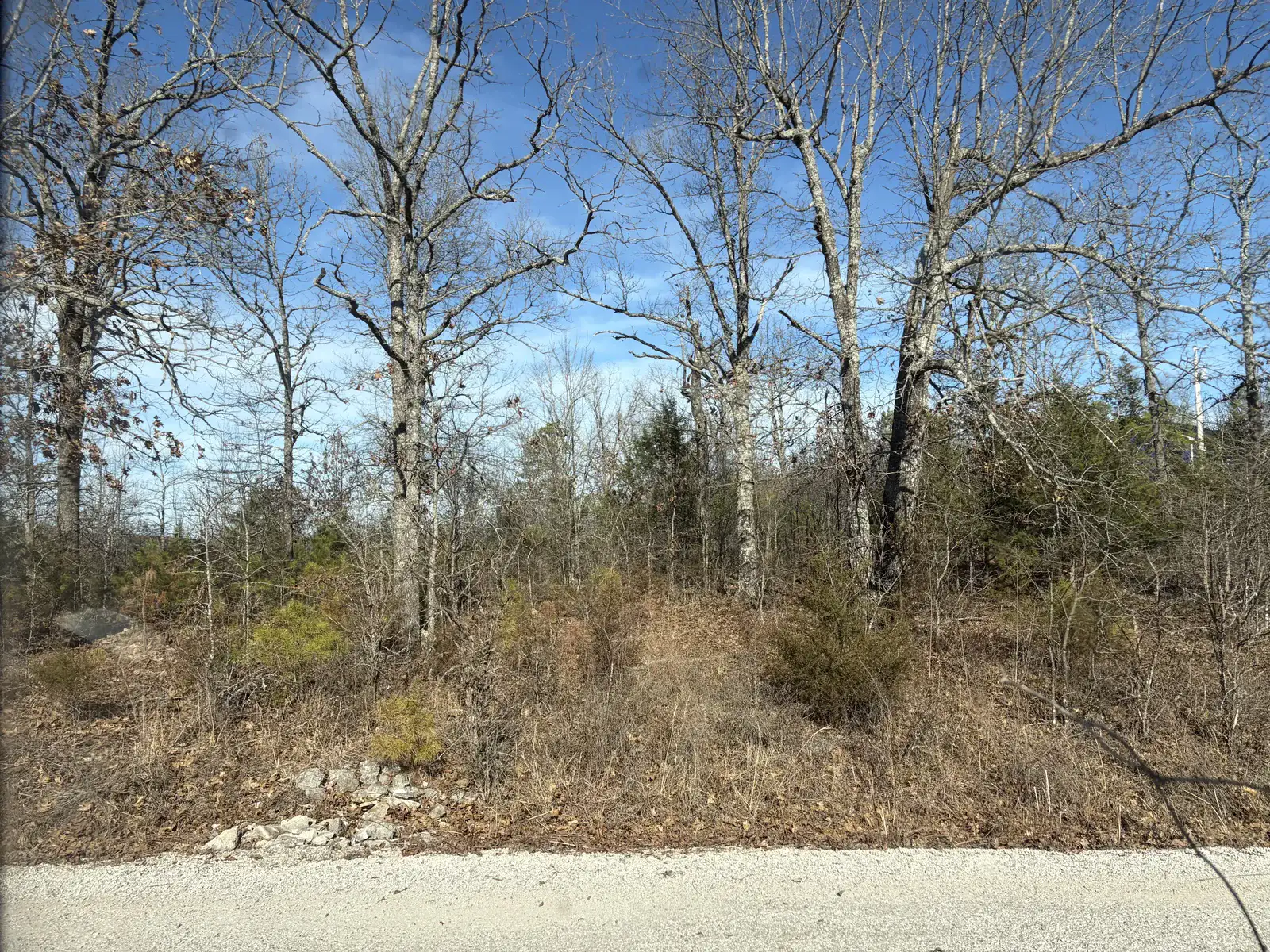
We clear brush, vines, thickets and saplings from around houses, fence lines and ditch banks. What can be ground up is mulched in place, and the rest goes out on the dump trailer.
Learn MoreA skid steer runs all three. The drum mulcher takes brush and small trees. The brush cutter takes tall grass and briars. The grapple loads what has to leave the property.
Brush and small trees are ground up where they stand and left as a mulch layer over the dirt. That covers the ground and saves hauling. What is too big for the mulcher goes out on the dump trailer.
Call and we set a time to come look at the ground. After that you get an estimate in writing with the work spelled out. The job starts when you say go.
We are based in Monette, east of Jonesboro, and work about 50 miles out. That covers Craighead, Greene, Mississippi, Poinsett, Lawrence, Randolph, Clay and Cross counties.
Call (870) 351-5107 or send the form with the address and what you want cleared. We will get back to you and set a time to come look at the property.
Tell us about the job. We will get right back to you.